
The Dawn of Precision: Understanding Advanced CNC Bike Frame Machining
The modern bicycle is a marvel of engineering, a sophisticated machine where every component plays a critical role in performance, safety, and rider experience. At the heart of this machine lies the frame, its skeleton, dictating its handling, strength, and overall character. The creation of high-performance bicycle frames has undergone a dramatic transformation with the advent of sophisticated manufacturing techniques. Among these, advanced CNC bike frame machining stands out as a cornerstone technology, enabling manufacturers to achieve unprecedented levels of precision and complexity. Computer Numerical Control (CNC) machining uses computer-controlled machines to cut, shape, and finish materials like aluminum alloys, titanium, and even molds for carbon fiber components. This technology has moved bicycle frame construction from a predominantly manual craft to a highly automated and precise industrial process, allowing for designs that were once impossible to realize. The ability to meticulously control every cut and contour means frames can be lighter, stronger, and more aerodynamically efficient than ever before, catering to the exacting demands of competitive cyclists and discerning enthusiasts alike. This technological leap ensures that the structural integrity and performance characteristics envisioned by designers are translated flawlessly into the final product.
The Artisans of Modern Cycling: The Specialized Bicycle Frame Manufacturer
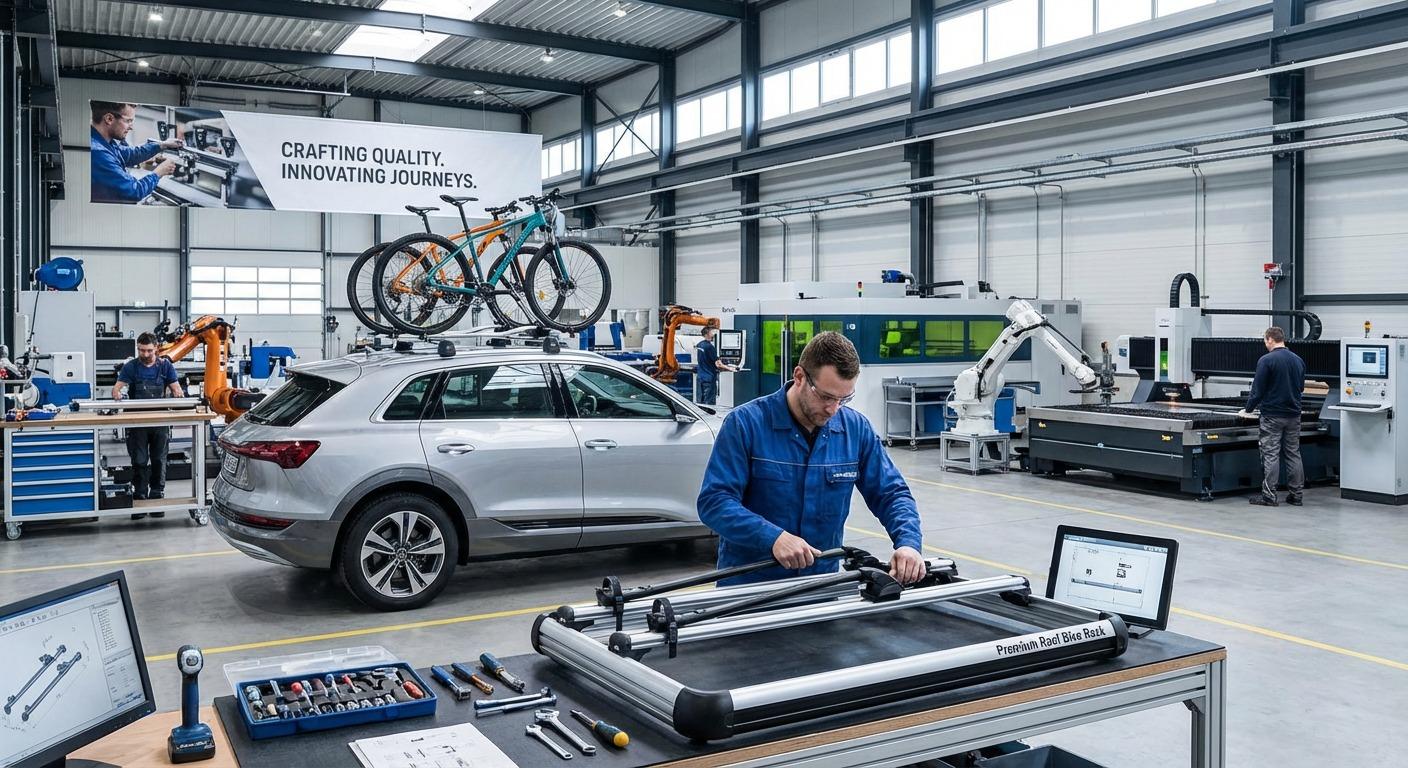
Behind every high-quality bicycle is a dedicated bicycle frame manufacturer, a facility that often blends artistry with cutting-edge technology. These manufacturers are more than just assembly lines; they are hubs of innovation, research, and meticulous craftsmanship. To excel in this competitive field, a specialized bicycle frame manufacturer invests heavily in state-of-the-art machinery, including multi-axis CNC centers, robotic welders, and advanced material treatment systems. Equally important is their investment in a skilled workforce, comprising engineers, designers, machine operators, and quality control specialists who understand the nuances of bicycle dynamics and material science. Their workspace is often a testament to efficiency and precision, brimming with tools, specialized components, and a palpable sense of organization critical for complex assembly processes. These manufacturers work closely with bicycle brands, an OEM bike frame factory, or even produce their own lines, translating intricate designs and performance specifications into tangible, high-performance frames. The journey from raw material to a finished frame is a complex dance of design interpretation, material selection, precision machining, expert welding or bonding, and rigorous testing, all orchestrated by the manufacturer’s expertise.
Unveiling the Core: How CNC Machines Sculpt Perfection
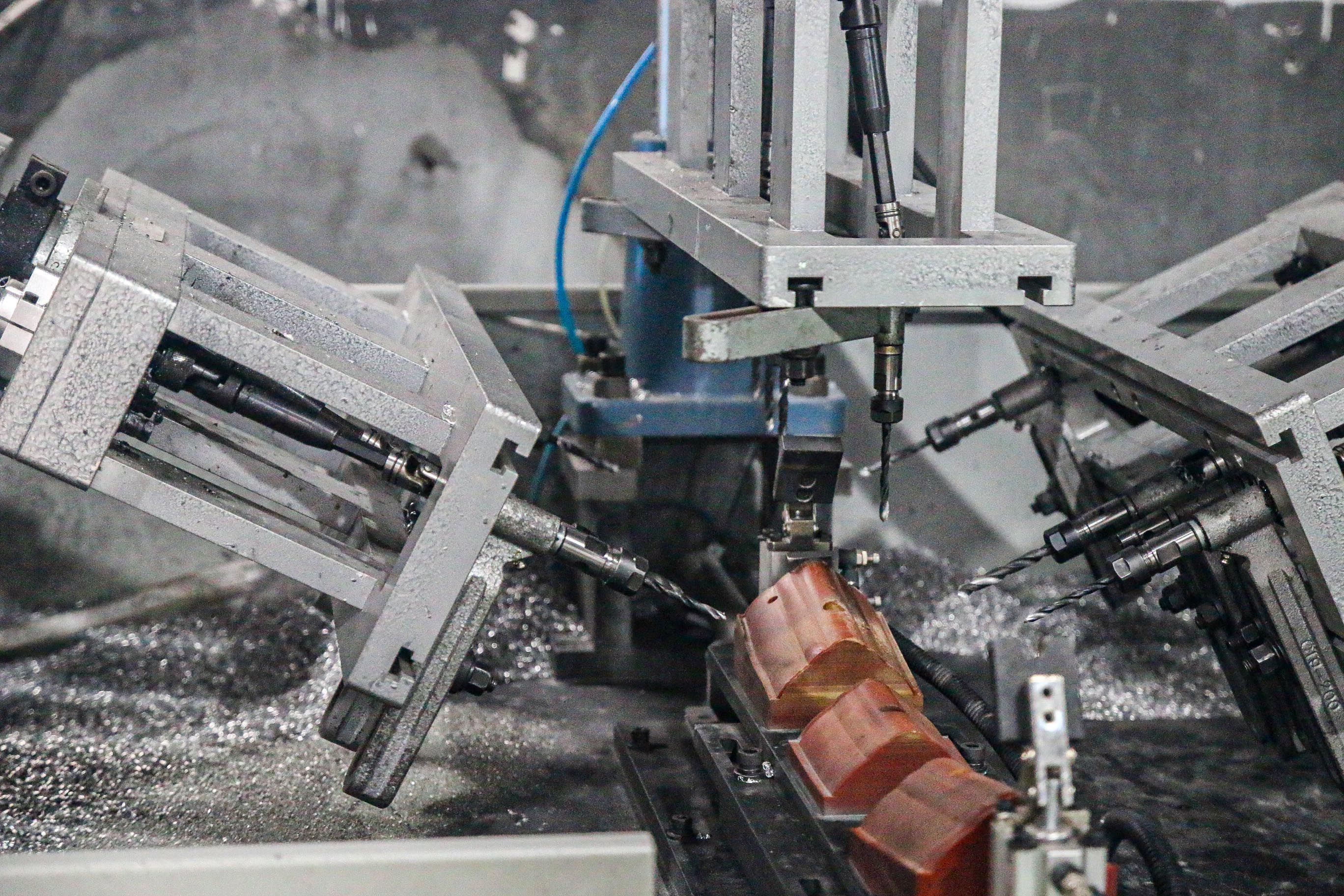
The term CNC, or Computer Numerical Control, refers to a process where pre-programmed computer software dictates the movement of factory tools and machinery. In the context of bicycle frames, CNC machines are employed to sculpt critical components with incredible accuracy. These machines can execute complex cutting paths, drill holes with pinpoint precision, and mill surfaces to exact tolerances, often measured in microns. Key areas of the frame, such as the head tube, bottom bracket shell, dropouts, and suspension pivot points, demand this level of precision for proper component assembly, alignment, and overall frame integrity. The digital nature of CNC machining ensures repeatability; every identical part produced is a near-perfect replica of the last, which is crucial for mass production without compromising quality. Furthermore, CNC technology allows for the creation of intricate shapes and internal features, such as internal cable routing ports or complex tube profiles, which can enhance both the aesthetics and functionality of the frame. This pursuit of perfection is often driven by a deep-seated commitment to quality, striving for precision down to "the hundredth percentile," ensuring that every machined part contributes to a flawless final product. The ability to work with various high-strength alloys common in bike frames, shaping them without compromising their structural properties, is a key advantage of advanced CNC techniques.
Shaping the Ride: Automated Tube Processing for Optimal Performance
Before the various parts of a bicycle frame can be joined, the tubes that form its main structure must be meticulously prepared. This is where automated tube processing machines play a vital role, laying the foundation for the frame's overall quality and performance. Modern facilities often employ cutting-edge systems, akin to the described Mini T8, capable of cutting, shaping, and finishing metal tubes with unmatched accuracy. These machines are typically equipped with intelligent digital controls that allow operators to manage complex operations and ensure high productivity. A sturdy feeding system is crucial for directing materials, such as aluminum or titanium tubes, securely and precisely into the automated cutting and shaping unit. This precision is paramount for tasks like mitering, where the ends of the tubes are cut at specific angles to fit perfectly against other tubes. Accurate miters are essential for creating strong, clean weld joints and for maintaining the frame's designed geometry. Any imprecision at this stage can lead to misalignment, stress concentrations, and ultimately, a compromised frame. Advanced automated tube processing not only enhances precision but also significantly improves throughput, allowing manufacturers to meet demand while maintaining exceptionally high standards of quality and consistency in every tube prepared for the subsequent stages of frame construction, such as advanced CNC bike frame machining for other components or welding.
Fusing Strength and Artistry: The Role of Robotic Welding
Once the tubes are precisely cut and shaped, and other critical components are machined, the next crucial step in metal frame construction is welding—the process of fusing these individual pieces into a single, cohesive structure. While skilled manual welding remains an art form, the industry has increasingly adopted robotic welding for its numerous advantages, particularly in high-volume, high-precision applications. High-precision robotic welding arms, equipped with advanced automation and state-of-the-art sensors, offer unparalleled accuracy and consistency. These articulated arms can be programmed to perform complex welding paths, adapting to various angles and tube junctions with grace and precision. Often utilizing laser-guided technology, they align perfectly with the target, producing immaculate, uniform welds while minimizing material distortion and waste. The intense heat and light, often described as bursts of sparks and the glow of molten metal, are carefully controlled to ensure deep penetration and strong fusion. Integrated cooling systems help maintain consistent performance during prolonged operation. The benefits of robotic welding are manifold: enhanced structural integrity due to consistent weld quality, increased production efficiency, and improved safety by reducing human exposure to fumes and heat. The resulting welds are not only strong but often aesthetically pleasing, showcasing the high level of control achievable with modern robotics in bicycle manufacturing.
Partnering for Excellence: The OEM Bike Frame Factory and Quality Assurance
Many well-known bicycle brands do not manufacture their frames in-house but instead partner with specialized factories. An Original Equipment Manufacturer (OEM) bike frame factory plays a pivotal role in the global bicycle industry, bringing a brand's designs and visions to life. These facilities are adept at handling diverse requirements, from high-volume production of standard models to crafting bespoke, high-performance frames for niche markets. The success of an OEM partnership hinges on trust, communication, and an unwavering commitment to quality from both parties. Within such a factory, rigorous quality assurance protocols are implemented at every stage of production. This begins with the inspection of raw materials, continues through each step of machining, tube processing, and welding, and culminates in comprehensive checks of the finished frame. One might observe a workspace filled with bins and crates of custom parts, small devices, and fittings, all carefully stored and categorized for assembly, reflecting a meticulous approach. Teamwork and coordination among staff are essential to navigate the complexities of modern manufacturing. This systematic approach, often underscored by a philosophy of achieving perfection "down to the hundredth percentile," ensures that every frame leaving the factory meets the stringent standards set by the brand and the expectations of the end consumer. This commitment extends to ensuring that processes like advanced CNC bike frame machining are performed flawlessly.
The Rider's Edge: Tangible Benefits of Advanced Frame Manufacturing
The meticulous processes involved in advanced frame manufacturing, from precise CNC machining to robotic welding, directly translate into tangible benefits for the cyclist. One of the most significant advantages is the ability to create frames that are both lighter and stronger. Optimized tube shapes, precision-machined components, and high-quality welds contribute to a frame that can withstand the rigors of aggressive riding while minimizing excess weight. This results in a bike that accelerates faster, climbs more efficiently, and feels more responsive. Furthermore, the precision inherent in these advanced manufacturing techniques allows for better frame alignment and tighter tolerances. This translates to improved handling characteristics, more predictable steering, and a more stable ride. Suspension kinematics in full-suspension mountain bikes, for example, rely heavily on precise pivot point placement, something easily achieved with CNC machining. Durability is also enhanced, as consistently high-quality manufacturing reduces the likelihood of material fatigue or weld failure. Beyond performance, advanced manufacturing also opens doors to greater design freedom, enabling engineers to incorporate aerodynamic features, internal cable routing, and integrated components that enhance both the bike's functionality and its aesthetic appeal. Ultimately, the cyclist experiences a more refined, reliable, and enjoyable ride, knowing their machine is a product of cutting-edge engineering and manufacturing. This is particularly true where a top-tier bicycle frame manufacturer employs these techniques.
Pedaling into the Future: The Trajectory of Bike Frame Technology
The evolution of bicycle frame technology is a continuous journey, driven by innovation in materials science, manufacturing processes, and a relentless pursuit of performance. Advanced CNC bike frame machining, automated tube processing, and robotic welding are not the end of this journey but rather key milestones that have paved the way for future advancements. We are likely to see even more sophisticated automation, the integration of artificial intelligence for design optimization and quality control, and the development of new materials and composites that offer even better strength-to-weight ratios. Additive manufacturing, or 3D printing, particularly for metal components like dropouts or custom lugs, is also beginning to make its mark, offering unparalleled design freedom. Sustainability is another critical consideration shaping the future, with manufacturers increasingly exploring eco-friendly materials and more energy-efficient production methods. For cyclists, this ongoing evolution promises bikes that are even lighter, stronger, more efficient, and potentially more customizable than ever before. The synergy between visionary designers, skilled engineers, and advanced manufacturing facilities, including the specialized OEM bike frame factory, will continue to push the boundaries of what's possible, ensuring that the humble bicycle remains at the forefront of personal transportation and sporting excellence. The commitment to precision and quality will undoubtedly remain the guiding principle as the industry pedals confidently into the future.