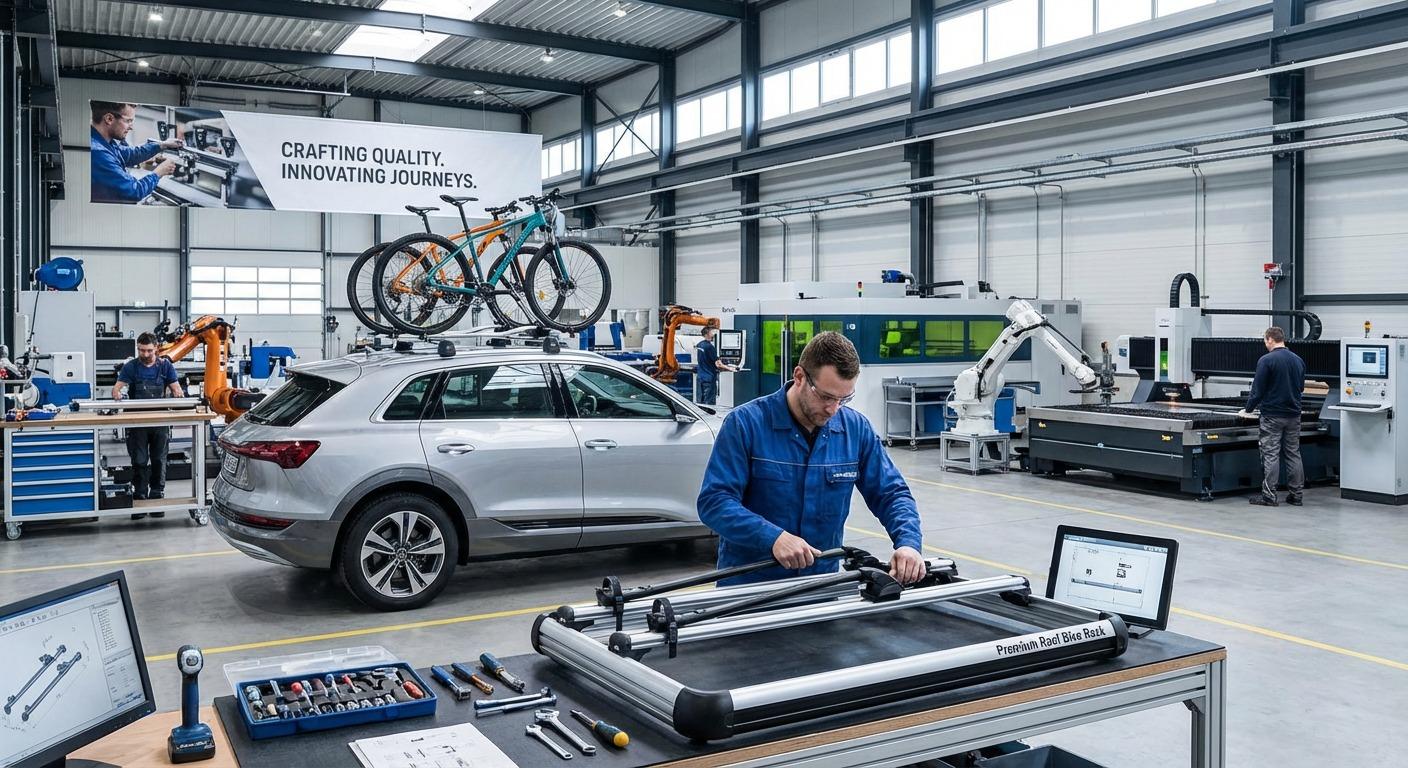

The Revolution of Advanced CNC Bike Frame Machining
The cycling world is constantly evolving, driven by a relentless pursuit of performance, durability, and innovation. At the heart of this evolution lies the manufacturing process, and one of the most significant advancements in recent decades is advanced CNC bike frame machining. CNC, which stands for Computer Numerical Control, refers to the automation of machine tools by means of computers executing pre-programmed sequences of machine control commands. When applied to bicycle frames, this technology transforms raw materials into intricate, precise, and high-performance structures that were once impossible to achieve with traditional methods. This has not only elevated the quality of bicycles but has also opened up new frontiers in design and engineering, allowing for lighter, stronger, and more aerodynamically efficient frames.
The Modern Bicycle Frame Manufacturer: A Technological Approach
A modern bicycle frame manufacturer is increasingly reliant on cutting-edge technologies like CNC machining to stay competitive and meet the demands of discerning cyclists. The adoption of advanced CNC bike frame machining allows manufacturers to move beyond the limitations of manual welding and tube mitering, offering unparalleled precision. This means that every angle, every cut, and every interface on a bike frame can be machined to incredibly tight tolerances, ensuring perfect alignment and structural integrity. For a bicycle frame manufacturer, investing in CNC technology is an investment in quality, consistency, and the ability to innovate, offering bespoke solutions or high-volume production with equal finesse. This technological shift also means a more skilled workforce is required, proficient in CAD/CAM software and operating sophisticated machinery.
Precision, Complexity, and Consistency: Core Benefits of CNC
The advantages of employing advanced CNC bike frame machining are manifold. Firstly, precision is paramount. CNC machines can execute designs with an accuracy of thousandths of an inch, which is crucial for components like bottom bracket shells, head tubes, and suspension pivot points. This precision ensures that all parts fit together perfectly, leading to a more responsive, efficient, and durable bicycle. Secondly, CNC machining facilitates the creation of complex geometries. Designers are no longer constrained by what can be easily fabricated by hand; they can now envision intricate shapes and internal structures that optimize strength-to-weight ratios and aerodynamic performance. Finally, repeatability is a key benefit. Once a design is programmed, a CNC machine can produce identical parts consistently, which is essential for quality control and ensuring that every frame meets the designed specifications, a critical aspect for any reputable bicycle frame manufacturer.
Scaling Production: The Role of the OEM Bike Frame Factory
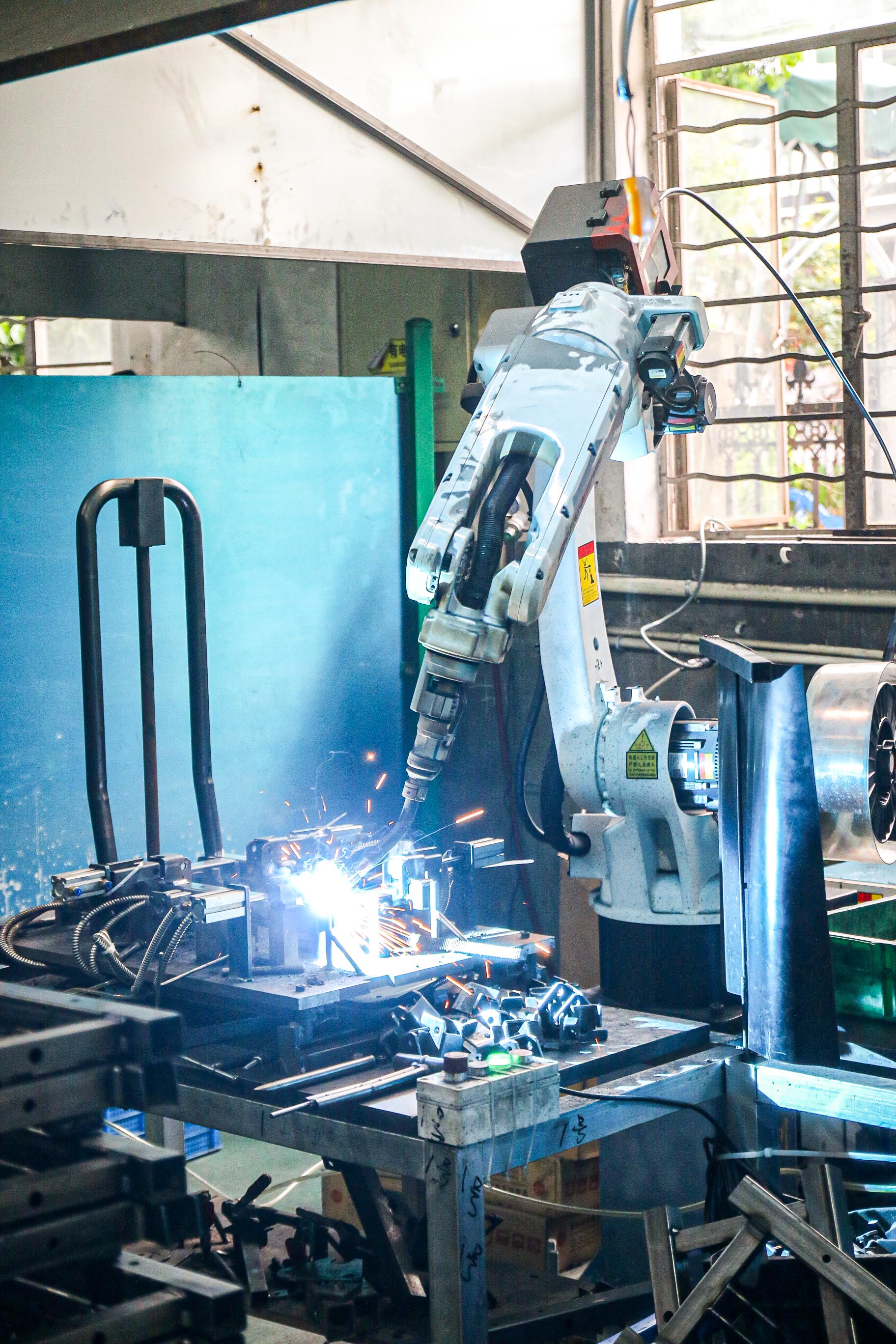
For an OEM bike frame factory (Original Equipment Manufacturer), which produces frames for various bicycle brands, CNC machining is indispensable for achieving both scale and quality. These factories often handle large production runs, and CNC technology allows them to maintain high standards across thousands of units. An OEM bike frame factory can leverage CNC machining to offer a wide range of frame designs and customizations to its clients, from high-end racing bikes to rugged mountain bikes. Automated CNC cells can operate with minimal supervision, significantly increasing throughput and reducing labor costs per unit. Furthermore, the digital nature of CNC machining ensures that design changes or updates from clients can be implemented quickly and accurately into the production line, making the OEM bike frame factory an agile and responsive partner for bicycle brands globally.
Machining Diverse Materials for Optimal Frame Characteristics
Bicycle frames are constructed from a variety of materials, each with its unique properties and machining challenges. Aluminum alloys, popular for their lightness and stiffness, are readily machinable with CNC, allowing for the creation of butted tubes and complex yokes. Titanium, prized for its exceptional strength-to-weight ratio and corrosion resistance, is tougher to machine and requires specialized tooling and slower cutting speeds, but advanced CNC bike frame machining makes its use viable for high-performance frames. Even carbon fiber composites, while primarily molded, often require CNC machining for post-molding operations like drilling precise holes for bottle cages, cable routing, or trimming edges. The precision of CNC ensures that these operations do not compromise the integrity of the composite structure. The ability to accurately work with such diverse materials underscores the versatility and importance of CNC technology.
Innovations Shaping the Future of Bike Frame Manufacturing
The field of CNC machining is not static; it continues to evolve with new innovations that further enhance bicycle frame manufacturing. Multi-axis CNC machining, particularly 5-axis machines, allows for the creation of even more complex shapes in a single setup, reducing machining time and improving accuracy. The increasing integration of CAD (Computer-Aided Design) and CAM (Computer-Aided Manufacturing) software streamlines the workflow from design conceptualization to physical production. Automation is also a growing trend, with robotic arms loading and unloading parts, and sophisticated sensors monitoring the machining process in real-time to optimize performance and prevent errors. As an OEM bike frame factory or a boutique bicycle frame manufacturer looks to the future, these advancements promise even greater efficiency, design freedom, and the potential for more sustainable manufacturing practices through reduced waste and energy consumption.
Transforming the Cycling Experience with Engineering Excellence
In conclusion, advanced CNC bike frame machining has fundamentally transformed the bicycle industry. It empowers manufacturers to produce frames that are lighter, stronger, more precise, and often more aesthetically striking than ever before. From bespoke creations by niche builders to large-scale production by leading OEM factories, CNC technology is a cornerstone of modern bicycle manufacturing. This commitment to engineering excellence ensures that cyclists, whether professional racers or recreational riders, benefit from equipment that pushes the boundaries of performance and reliability. As the technology continues to advance, we can expect even more exciting developments in bicycle design and manufacturing, further enhancing the cycling experience for everyone.