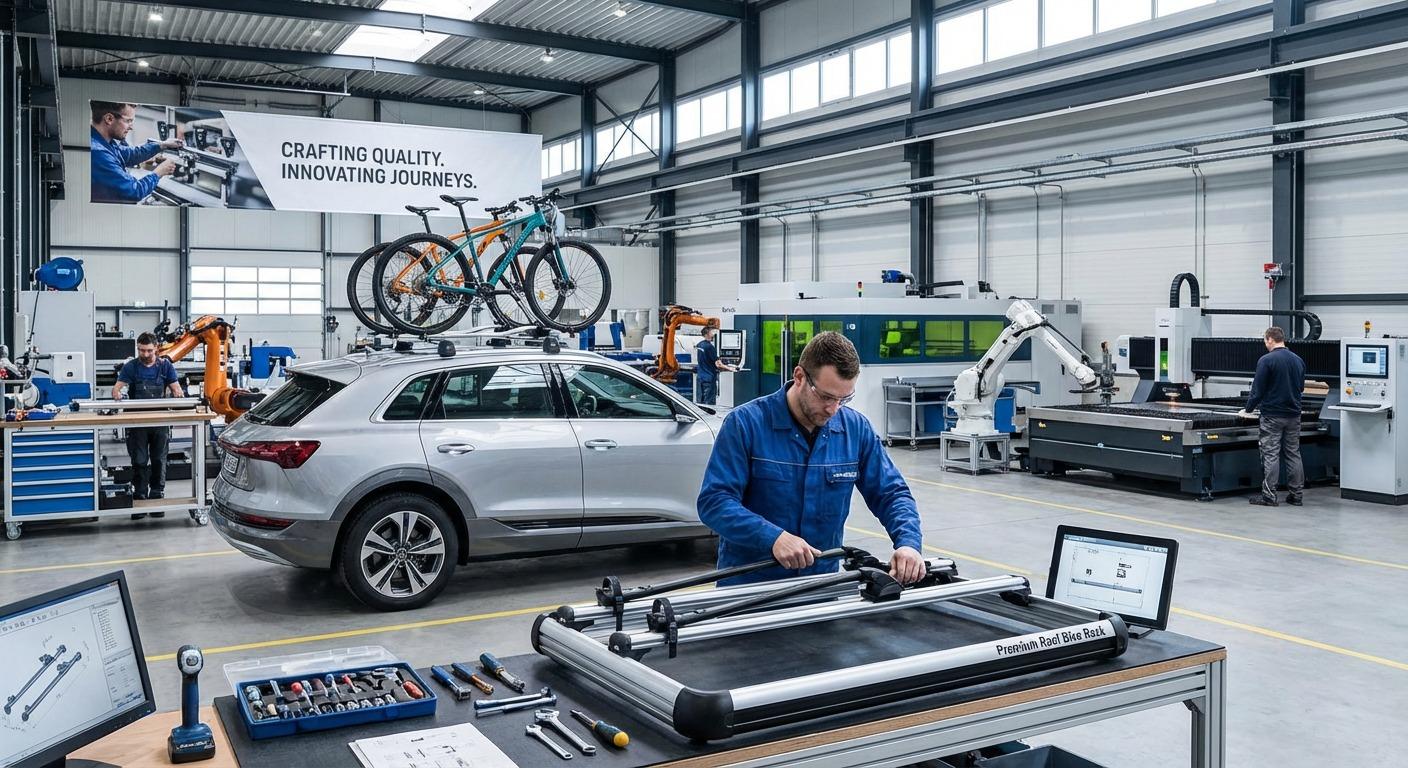

The Dawn of Precision: Advanced CNC Bike Frame Machining
The cycling world constantly seeks innovation, pushing the boundaries of performance, weight, and design. Central to this evolution is the sophisticated process of advanced CNC bike frame machining. This technology has revolutionized how bicycle frames are conceptualized, created, and manufactured, offering unparalleled precision and consistency. From intricate tube shaping to perfectly aligned bearing interfaces, CNC machining allows for the creation of frames that are not only aesthetically pleasing but also structurally superior, ultimately enhancing the rider's experience. The integration of these advanced manufacturing techniques means that modern bicycles can achieve levels of performance and customization previously unimaginable, setting new standards in the industry.
Understanding CNC Machining in Bicycle Frame Production
CNC, an acronym for Computer Numerical Control, refers to the automation of machine tools by means of computers executing pre-programmed sequences of machine control commands. In the context of bicycle frames, CNC machining involves taking a solid block of material, typically an aluminum or titanium alloy, or creating precise molds for carbon fiber components, and shaping it through subtractive processes. These processes include milling, cutting, drilling, and lathing, all guided by a digital design file (CAD - Computer-Aided Design). The CAM (Computer-Aided Manufacturing) software then translates this design into G-code, which directs the CNC machine's movements with extraordinary accuracy, often to within thousandths of an inch. This level of precision is critical for components like head tubes, bottom bracket shells, and dropouts, where exact tolerances ensure proper component fitment and overall frame integrity.
The Critical Role of the Expert Bicycle Frame Manufacturer
A skilled bicycle frame manufacturer plays a pivotal role in translating a design concept into a high-performance bicycle. Their expertise extends beyond merely operating machinery; it encompasses material science, structural engineering, and an intimate understanding of bicycle dynamics. When a bicycle frame manufacturer incorporates advanced CNC machining into their workflow, they gain the ability to produce frames with complex geometries that were previously unachievable or prohibitively expensive. This allows for optimized tube profiles for aerodynamics or stiffness, innovative suspension kinematics for mountain bikes, and the creation of lightweight yet durable structures. Furthermore, CNC machining ensures remarkable consistency from one frame to the next, which is crucial for maintaining quality standards, especially in high-volume production. The manufacturer's knowledge directs how these tools are best applied.
Inside an OEM Bike Frame Factory: Precision at Scale
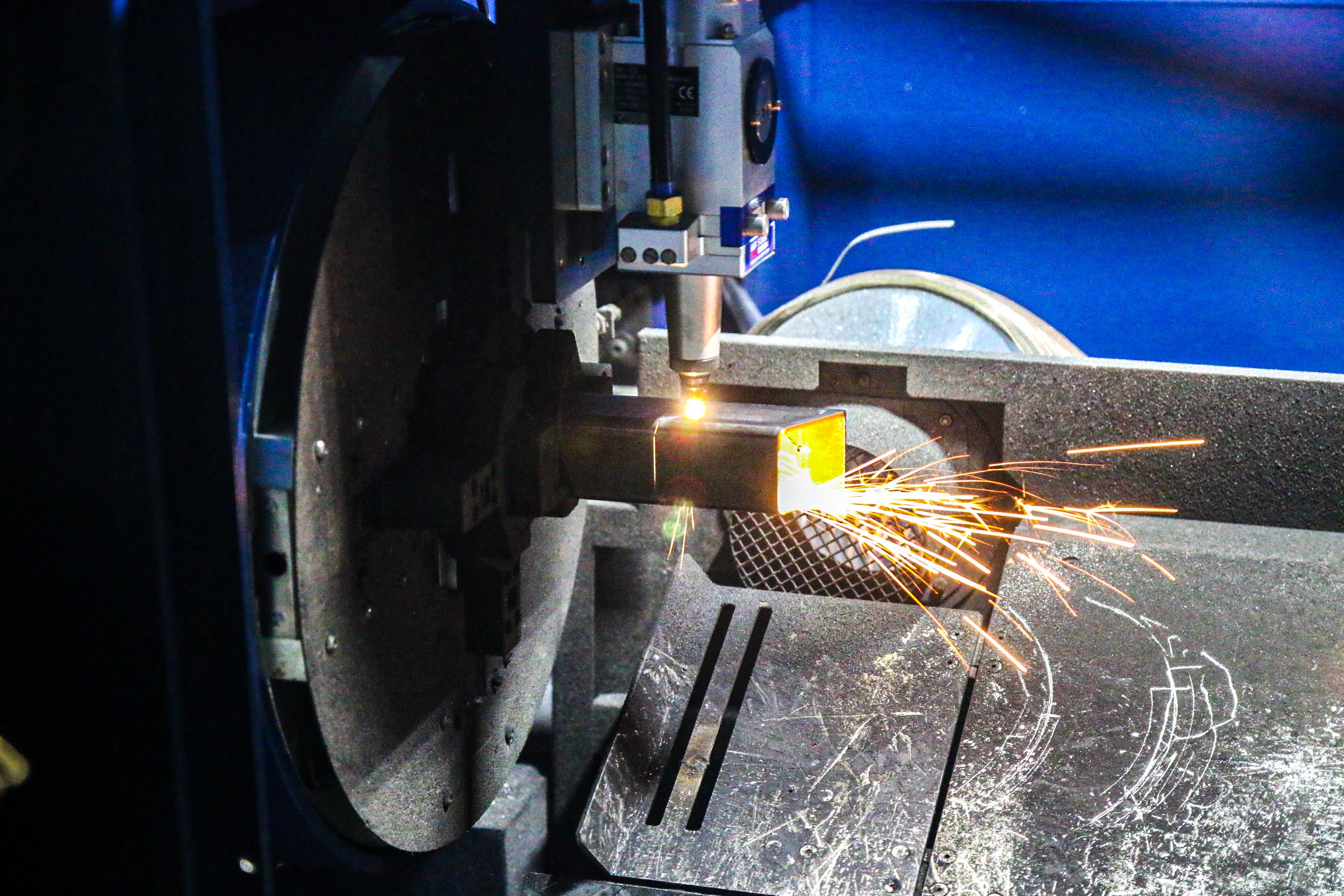
An OEM bike frame factory (Original Equipment Manufacturer) specializes in producing frames for various bicycle brands, often to the brands' specific designs and requirements. For such an operation, advanced CNC machining is not just a tool but a cornerstone of their operation. It enables them to meet the diverse needs of multiple clients, producing a wide array of frame designs with efficiency and repeatability. These factories invest heavily in sophisticated multi-axis CNC machines and skilled programmers to handle complex tasks like mitering tubes to exact angles, machining intricate yokes for suspension systems, or creating precise interfaces for integrated components. The ability to quickly reconfigure machines for different frame models and sizes, while maintaining stringent quality control, makes CNC machining indispensable for a modern facility of this type aiming for market leadership.
Materials and Processes: The Core of CNC Bike Frame Construction
The choice of material greatly influences the CNC machining process for bike frames. Aluminum alloys, such as 6061-T6 or 7000 series, are widely popular due to their excellent strength-to-weight ratio and machinability. CNC machines can precisely sculpt entire frame sections or individual components like lugs, bottom bracket shells, and head tubes from solid billets of aluminum. Titanium, prized for its fatigue resistance, corrosion resistance, and unique ride feel, is another material that benefits immensely from advanced CNC bike frame machining, though it is harder and more challenging to machine than aluminum. For carbon fiber frames, while the main tubes are typically molded, CNC machining is crucial for creating the high-precision molds themselves, and for finishing operations such as drilling holes for bottle cages, cable routing, and machining bearing seats in metallic inserts co-molded into the carbon structure. Processes like 5-axis milling allow for complex contours and angles to be machined in a single setup, reducing production time and increasing accuracy.
Unlocking Design Freedom and Performance Gains
One of the most significant advantages of advanced CNC machining for bike frames is the unparalleled design freedom it offers. Engineers and designers are no longer as constrained by traditional manufacturing limitations. CNC technology allows for the creation of hydroformed-like tube shapes (by machining sections that are then welded), intricate lug designs, and perfectly integrated components such as internal cable routing ports or direct-mount brake bosses. This freedom enables the optimization of frame aerodynamics, the fine-tuning of stiffness and compliance characteristics in specific areas of the frame, and the reduction of overall weight without compromising strength. For instance, material can be precisely removed from low-stress areas while being maintained or reinforced in high-stress zones. This level of control directly translates to bicycles that are faster, more comfortable, and more responsive.
The CAD/CAM Symbiosis: Digital Precision Realized
The effectiveness of CNC machining in bike frame production is intrinsically linked to sophisticated software. Computer-Aided Design (CAD) software is used to create detailed 3D models of the bicycle frame and its individual components. These digital blueprints contain all the geometric information, dimensions, and tolerances. Subsequently, Computer-Aided Manufacturing (CAM) software takes these CAD models and generates the toolpaths and G-code instructions that the CNC machine will follow. This seamless integration ensures that the physical part perfectly mirrors the digital design. Modern CAM systems also offer simulation capabilities, allowing manufacturers to verify toolpaths, optimize cutting strategies, and predict potential issues before any material is actually cut, saving time and reducing waste. This digital workflow is essential for achieving the high levels of precision and complexity demanded in modern bicycle manufacturing. A proficient bicycle frame manufacturer leverages this software synergy to its fullest potential.
Ensuring Quality: Consistency Through CNC Technology
Quality control is paramount in bicycle manufacturing, as frame failures can have serious consequences. CNC machining contributes significantly to ensuring high quality and consistency. Because the process is automated and computer-controlled, human error is minimized, leading to parts that are virtually identical from one production run to the next. This repeatability is crucial for frame alignment, ensuring that wheels are centered, drivetrains shift smoothly, and bearings fit correctly. After machining, components are typically subjected to rigorous inspection processes, often using CMMs (Coordinate Measuring Machines) to verify dimensions against the original CAD specifications. This meticulous attention to detail ensures that every frame leaving the factory, whether from a boutique builder or a large-scale OEM bike frame factory, meets the highest standards of safety and performance.
Navigating the Challenges of Advanced Machining
While the benefits of CNC machining for bike frames are substantial, there are also challenges to consider. The initial investment in high-quality CNC machinery, sophisticated CAD/CAM software, and ancillary equipment can be significant. Furthermore, operating and programming these complex systems requires a highly skilled workforce, including engineers, programmers, and machine operators. Material waste can also be a concern, as CNC machining is a subtractive process; however, optimized toolpaths and nesting strategies can help minimize this. Cycle times for very complex parts can sometimes be long, impacting overall production throughput, although multi-axis machines and pallet-changing systems can mitigate this. Despite these challenges, the performance and quality advantages offered by CNC machining often outweigh the costs and complexities for manufacturers aiming at the mid-to-high end of the market.
The Evolving Landscape: Future of CNC in Bike Frame Manufacturing
The future of advanced CNC bike frame machining looks bright, with ongoing advancements promising even greater capabilities. We are likely to see increased adoption of 5-axis and even more complex multi-axis CNC machines, allowing for the production of more intricate single-piece components, potentially reducing the need for welding in some areas. The integration of robotics for machine tending and part handling will further automate the process, increasing efficiency and reducing labor costs, especially within an OEM bike frame factory. Artificial intelligence and machine learning could optimize cutting parameters in real-time, adapt to tool wear, and improve predictive maintenance. There's also a growing synergy with additive manufacturing (3D printing), where complex lugs or custom components might be 3D printed in metal and then finish-machined on a CNC for precise tolerances, combining the strengths of both technologies. As materials science also evolves, CNC techniques will adapt to machine new alloys and composites, continuing to push the boundaries of bicycle performance and design. The commitment of any forward-thinking bicycle frame manufacturer to these evolving technologies will be key to their success.
Conclusion: Machining Excellence for the Modern Cyclist
In conclusion, advanced CNC bike frame machining stands as a transformative force in the bicycle industry. It empowers designers and manufacturers to create frames that are lighter, stronger, more precise, and more aerodynamically efficient than ever before. This technology is not just about automation; it's about achieving a level of craftsmanship and engineering excellence that directly translates into a superior riding experience. Whether it's a boutique bicycle frame manufacturer pushing the limits of customization or a large OEM bike frame factory producing thousands of high-quality frames, CNC machining is an indispensable tool. As the technology continues to evolve, it will undoubtedly pave the way for even more exciting innovations in bicycle design and performance, ensuring that riders continue to benefit from the pinnacle of manufacturing precision.